
.png)
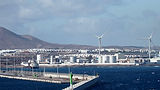
XPRIZE Water Scarcity Semi-Finalist
Recognised for advancing autonomous ocean-powered desalination systems.
Pumping Seawater To The Surface Takes Energy, Equipment, And Regular Maintenance. Brine Discharge Often Demands Engineered Infrastructure, Added Power, And Complex Approvals. That’s Where OPodᵀᴹ Comes In. Powered By Wave, Wind, And Solar, OPodᵀᴹ Helps Deliver Cooler Water To The Surface Without Additional Energy Input — Supporting Lower Intake Temperatures, Reduced Mechanical Strain, And Improved Efficiency At The RO Stage. It Also Aids Brine Dilution By Dispersing Discharge More Broadly, Helping Lower Salinity Concentrations And Easing Environmental Compliance.
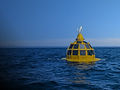
Reduce intake energy
oPod™s use wave and solar power to move cooler seawater from depth — reducing intake energy demand, lowering operating costs and easing mechanical strain on pumps and infrastructure.

Impove intake quality
Access cooler, more stable source water with reduced suspended solids and lower biofouling pressure — improving RO efficiency and membrane performance.

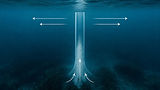
Enhance brine
dilution
oPod™ lift and disperse discharge vertically into dynamic surface layers, improving three-dimensional mixing and reducing localized salinity concentrations without additional pumping infrastructure.

Distributed desalination
oPod™ also support modular, decentralized desalination systems - enabling scalable water production without large coastal plants, permanent intake structures or major grid infrastruture.
Deployable. Modular. Ocean-powered.
A new class of autonomous ocean infrastructure.
How oPod helps your aquaculture operations
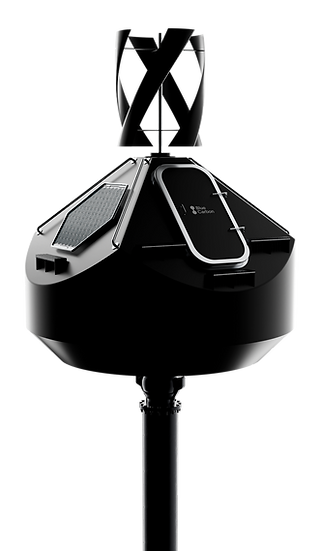
oPod Aqua™
steady deep flow
oPod Aqua™ delivers a steady flow of deep, cool water into the upper layers of the pen.
• Constant cool water means reduced heat stress and reduced mortality.
• Deep water holds more dissolved oxygen, supporting fish health.
• Consistent fresh water reduces pests and disease.
• Constant flow means natural swimming — improved muscle, and reduced aggression.

oPod Mini™
live ocean data
oPod Mini™ is a compact, cost-effective data buoy designed to help farms meet monitoring requirements.
• Smart compliance coverage. Covers core parameters under EPA guidelines.
• Real-time data means reduced risk and reduced manual spot sampling.
• Rugged unit integrates easily without extra cost or complexity.
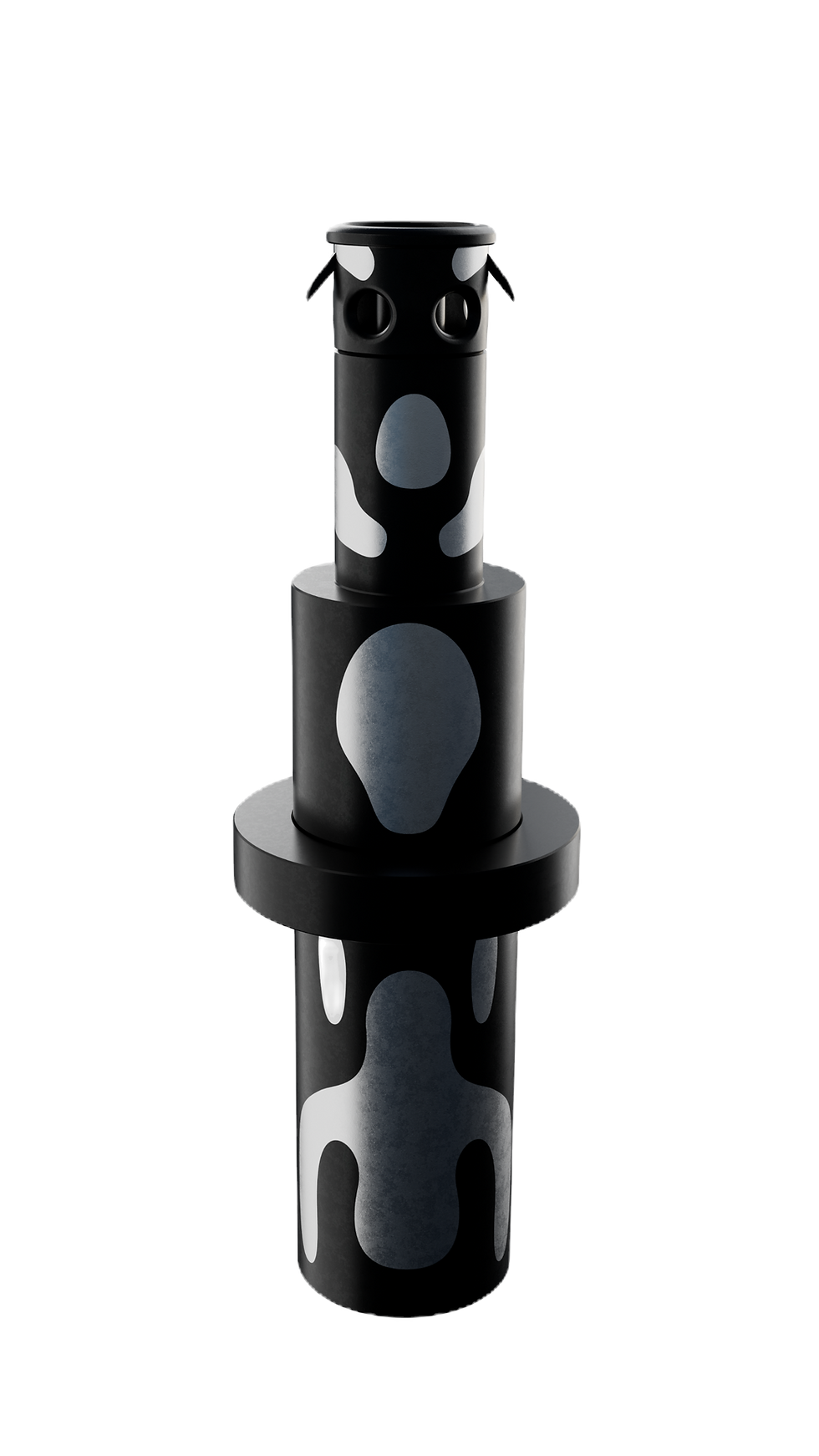
oPod Air™
reliable oxygenation
oPod Air™ is designed to deliver compressed air reliably, in swells as low as 0.2m upwards. Pair with oPod Aqua™ for improved circulation and oxygenation.
Ocean Intelligence - OI™
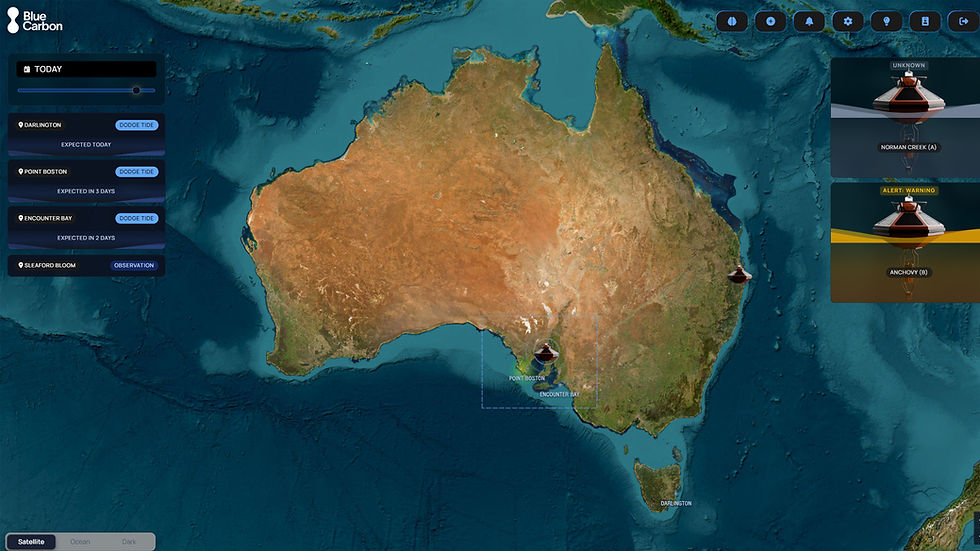
oPod Mini™ lets you forecast heatwaves, HABs and oxygen risks with clarity.
• Prediction that buys time.
• Scalable swarms for site-wide coverage.
• Detailed data plus predictive AI means faster, better decisions.
• See your ocean, clearly, right now.
Why operators are exploring oPods
Data-ready design means real-time monitoring of dissolved oxygen and temperature.
Ocean-powered air-pumping for diesel-free oxygen injection.
Lowers OPEX instantly.
No fuel or grid power required. Runs 24/7 using only wave and solar energy.
Owned, real-time data. Fewer surprises in a warming ocean.
Delivers pressurised flow to targeted locations across the site.
Government-backed. Industry-supported. Currently being piloted in Australian waters.

oPod Aquaculture FAQs
Rising temperatures, oxygen stress, and seasonal swings are making it more difficult to maintain consistency, even in well-managed farms. Most systems weren’t built for this kind of volatility. At Blue Carbon, we’re working alongside aquaculture operators to develop tools that are.
Our trials suggest oPods enhance aquaculture productivity through improved water quality and nutrient delivery.
oPods are engineered for harsh marine conditions and adapt to various aquaculture setups.
By eliminating diesel fuel dependency and reducing equipment maintenance through autonomous operation.
In tests off Okehampton Bay in November 2024, surface-layer temperatures were recorded as 2–2.5 °C cooler than ambient conditions.

Find out more: oPod™ System
For more information about the oPod™ System please share your details, and a team member will contact you.